About Us
It all began with a deep love for animals and a fascination with nature.
As a child, I grew up in Calgary, Alberta, Canada, directly across from the Bow River. I spent countless hours exploring the outdoors and developed a deep appreciation of the natural world and the study of life. My early passion evolved into a lifelong fascination with nature, and I've studied it and life all my life.
I remember being on the back landing of our little house, with a tiny white kitten. I have no idea where this kitten came from, or even what happened to it, but it had left a small puddle on the linoleum. I had noticed some long, fragile white things that seemed to be swimming around in the fluid. Instead of rushing to get it cleaned up, I stopped and started investigating the little creatures in the puddle. I was about six at the time.
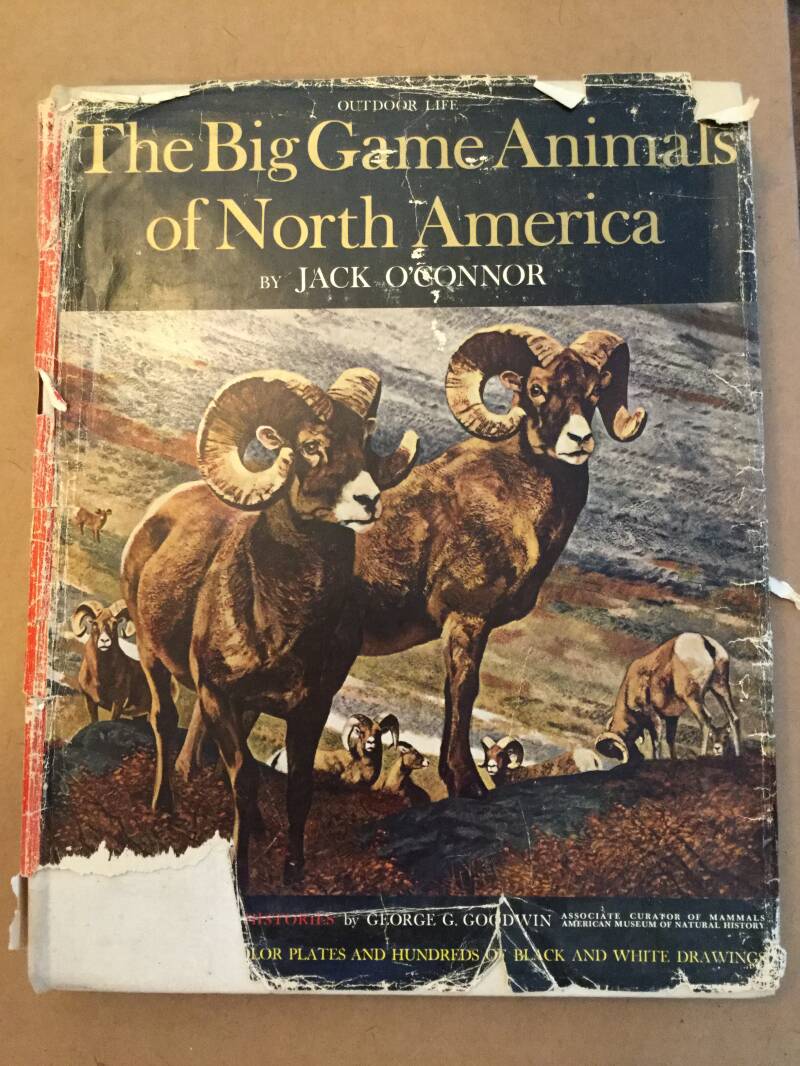
My father and his family were hunters, and while I didn't fully understand what all that entailed, I read his hunting books from cover to cover, mostly just looking at the pictures, dozens of times. I still have one of his books today, The Big Game Animals of North America.
He often took me camping in the wilderness with him, and I even helped him skin an antelope in our garage once. I'm not sure just how much 'help' I actually was, but at least I must have kept him company while he was doing it.
He had the hide tanned and the antlers mounted, and he gave them to me. He wasn't too happy, though, when I cut up the leather and used it to make beaded headbands and fringed belts in my hippie days!
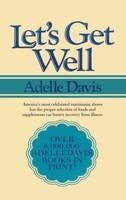
My interest in nutrition began in the early 1970s. Adele Davis was a pioneer in those days, and I still have all of her books today. In those days, discussing "nutrition" was mostly considered nonsense, and, of course, "natural health" was nowhere near being on the table. But, even back then, she argued with medical people about healthy eating during pregnancy. Women who do not eat well would likely suffer from numerous health problems, and their infants would likely have issues too.
Today, over fifty years later, I stand by the importance of healthy eating, especially in pregnancy - 110%.
I believe everything stems from a healthy, species-appropriate diet.
As the years passed, I couldn't help but start to question the impact that processed foods were having on our health and well-being. Witnessing firsthand the takeover by big-money food industries and the reduction of natural food and therapies, resulting in rising poor health in both humans and our pets, I was inspired to create Our Pet Project to educate and help improve the lives of our companions and best friends.

Our mission
Our mission is to produce healthy and HAPPY cats and bring current information to the forefront, ensuring every companion animal benefits from what nature has to offer.
Our aim to provide pet owners with access to high-quality raw pet food that supports optimal health and well-being for their best friends.
Mother Nature is our CEO, and we believe nothing in nature works alone. The synergy of consuming natural, whole food rather than highly processed items is undeniably what ultimately creates health.
We strive to reflect this holistic approach in our philosophy and recommendations, and are committed to offering superior alternatives to heavily processed pet food options.

Our core values
At Our Pet Project, our core values are rooted in staying as close to nature as possible, inspired by the wisdom of Michael Pollan and his 7 rules for eating. We prioritize minimally processed foods with recognizable ingredients. Just as nature intended, we believe in nourishing our pets with wholesome, natural ingredients.
Michael Pollan's 7 Rules For Eating
-
Don't eat anything your great-grandmother wouldn't recognize as food. "When you pick up that box of portable yogurt tubes, or eat something with 15 ingredients you can't pronounce, ask yourself, What are those things doing there?"
-
Don’t eat anything with more than five ingredients or ingredients you can't pronounce.
-
Stay out of the middle of the supermarket; shop on the perimeter of the store. Real food tends to be on the outer edge of the store near the loading docks, where it can be easily replenished with fresh items.
-
Don't eat anything that won't eventually rot. "There are exceptions -- honey -- but as a rule, things like Twinkies, that never go bad, aren't food,"
-
It is not just what you eat but how you eat. "Always leave the table a little hungry," Pollan says. "Many cultures have rules that you stop eating before you are full. In Japan, they say to eat until you are four-fifths full. Islamic culture has a similar rule, and in German culture they say, 'Tie off the sack before it's full.'"
-
Enjoy meals with the people you love. Families traditionally ate together, around a table and not a TV, at regular meal times. It's a good tradition.
-
Don't buy food at the same place where you buy your gasoline. In industrialized countries, 20% of food is eaten in the car.

Formal Education in Nutrition and Animal Behaviour
My formal education in human natural health began in 2006 at the Canadian School of Natural Nutrition. While working at a veterinary office in Bragg Creek, I completed a program sponsored by one of the big food companies.
At that time, learning about pet food through the big-name pet food suppliers was the gold standard. I don't regret that part of my education, but it did clearly reveal to me exactly what the beliefs are within the highly commercial food companies.
Today, for example, Mars Inc., with separate pet food brands in the hundreds, is estimated to have a family net worth of over $133 BILLION.
"Mars Incorporated is a privately held company, so its net worth is not public; however, estimates of the family's net worth are over $133 billion. The company itself had approximately $55 billion in revenue in 2024 and is one of the world's largest privately held companies, driven by its candy, pet care, and veterinary businesses."
With the advent of the internet, and especially social media, I've discovered many resources to keep my education and science-based knowledge current.
Some resources you might like are:
Facebook:
Dr Judy Morgan's Naturally Healthy Pets
Dr's Karen and Steve Marsden, Ask Dr. Steve DVM
ANIMAL BEHAVIOUR
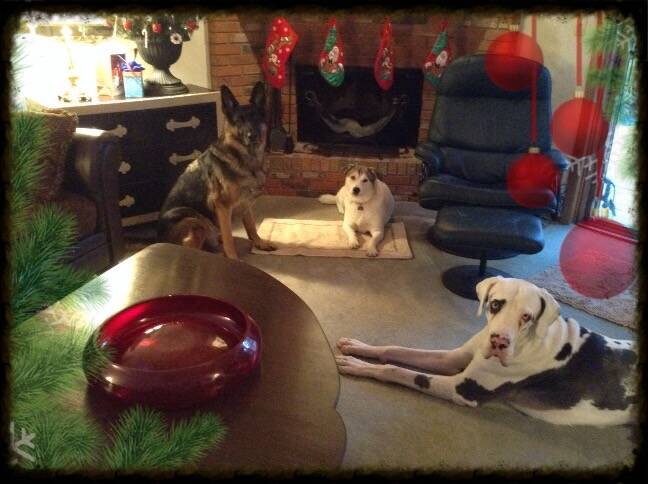
My German Shepherd Dog, Raines, bit our neighbour badly on Christmas Day 2012.
They, of course, demanded he be put down instantly, and when I didn't, the entire family harassed me for over 10 years!
I was terrified. I'd heard horrible stories about what happens to dogs who bite people. But Raines was my boy! Even the thought of losing him while writing this brings tears to my eyes.
It was the Christmas season, and no one was available to get advice from, so I took Raines and moved into a motel in a nearby town to keep him safe.
In the new year, I found a dog training company in Calgary, and a woman came out to evaluate my dog. As it turned out, he wasn't a vicious man-eating monster, but had been frightened by an event, and the bite was the result of fear, not an attack.
Through 2013, I kept him under wraps, and when I had to leave home to go to work, he went to daycare.
But it was still highly stressful!
Having a German Shepherd Dog that has bitten someone is not a good look in the community. And we lived in a small community!
That event started me down a path, a deep rabbit hole, for years! It turns out that animal behaviour is another passion of mine, and I still study everything I can to this day!
After my 2 years at a local dog training/fear-free behaviour school, I started an online program through Ethology Institute, headed by Roger Abrantes, Ph.D. in Evolutionary Biology and Ethology, and BA in Philosophy, DHC, MAPBC. There, I gained certificates in:
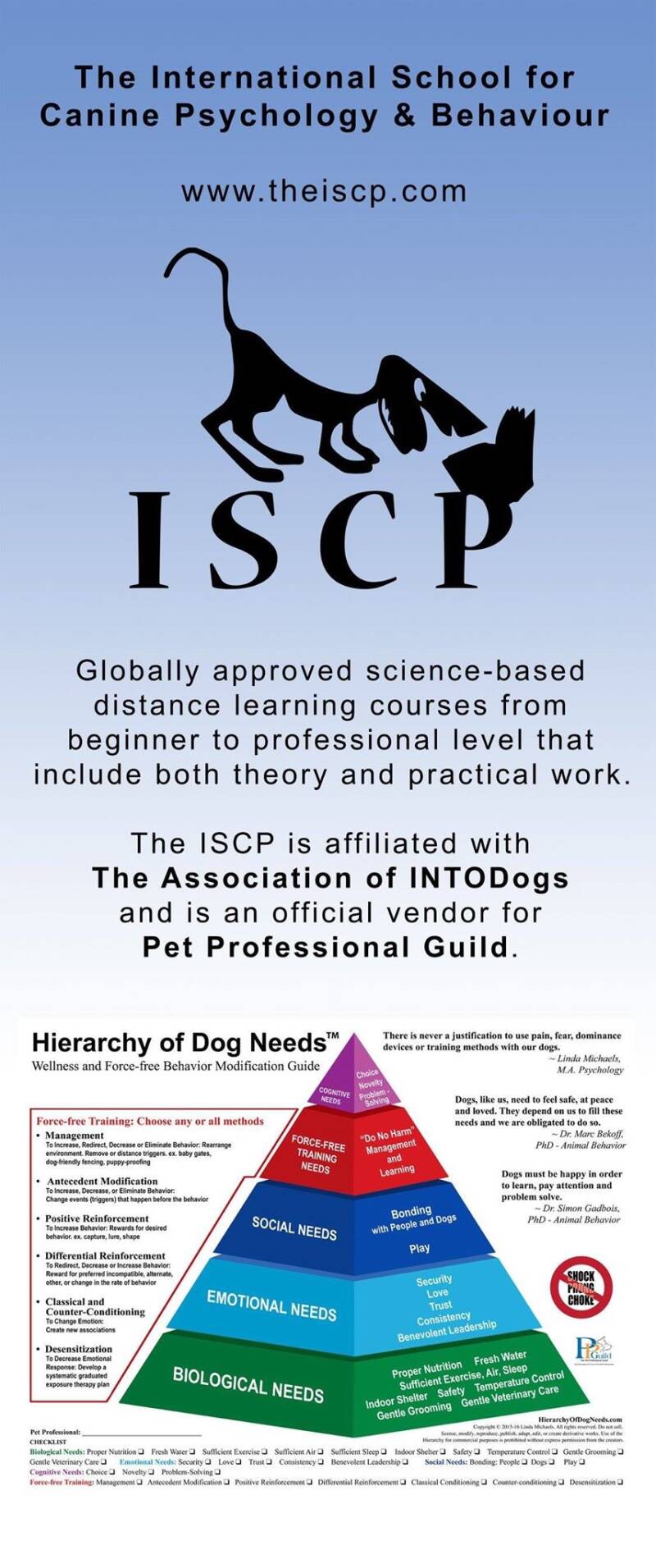
After that, I enrolled in a program through The International School for Canine Psychology and Behaviour (ISCP). The ISPC, at that time, represented a far more natural and holistic approach to animal training and behaviour, and we took a deep dive into the psychological aspect of things.
The greatest impact in my educational days was, by far, Dr. Brian Hare. His teachings completely transformed everything for me and forever changed my views.
DR. BRIAN HARE
Dr. Brian Hare is a professor of evolutionary anthropology at Duke University, where he studies the evolution of cognition through primatology and canine cognition. He is the founder and co-director of the Duke Canine Cognition Center and has co-authored books such as The Genius of Dogs and Survival of the Friendliest. His work has been featured in numerous media outlets, including National Geographic and on television programs like NOVA.
Of all the continuing education programs I've taken since 2013, graduating from Dr. Hare's program, The Genius of Dogs, through the Dognition venue, has had, by far, the most impact on my studies as an animal behaviour specialist.
Dr. Brian Hare on Canine Cognition - YouTube
(fast forward to about 9:54 to bypass the intro.)
Another person who had a huge impact on my education and future beliefs is:
Marc Bekoff (born September 6, 1945, in Brooklyn, New York) is an American biologist, ethologist, behavioral ecologist and writer. He is Professor Emeritus of Ecology and Evolutionary Biology at the University of Colorado Boulder and cofounder of the Jane Goodall Institute of Ethologists for the Ethical Treatment of Animals, and cofounder of the Jane Goodall Roots and Shoots program.
Since then, I've learned from hundreds of others in the field through personal experience and our online community.
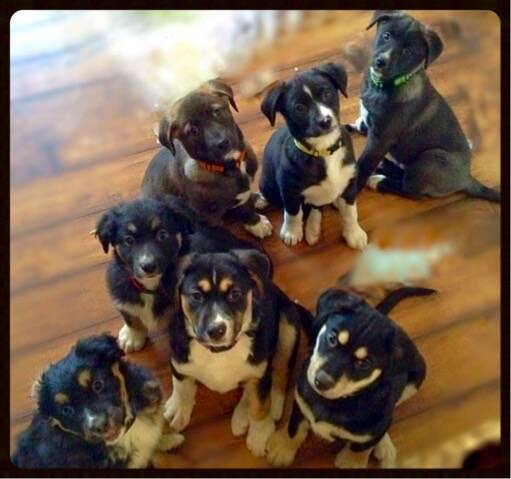
While I did work with dogs at a training school and with a puppy daycare, along with my experiences working with my own dogs, Raines (German Shepherd Dog) and Lester (Great Dane), and the troubled fosters I took on, the most valuable experience I got was while fostering moms (barely more than puppies themselves) and their litters rescued from our local First Nations settlements.
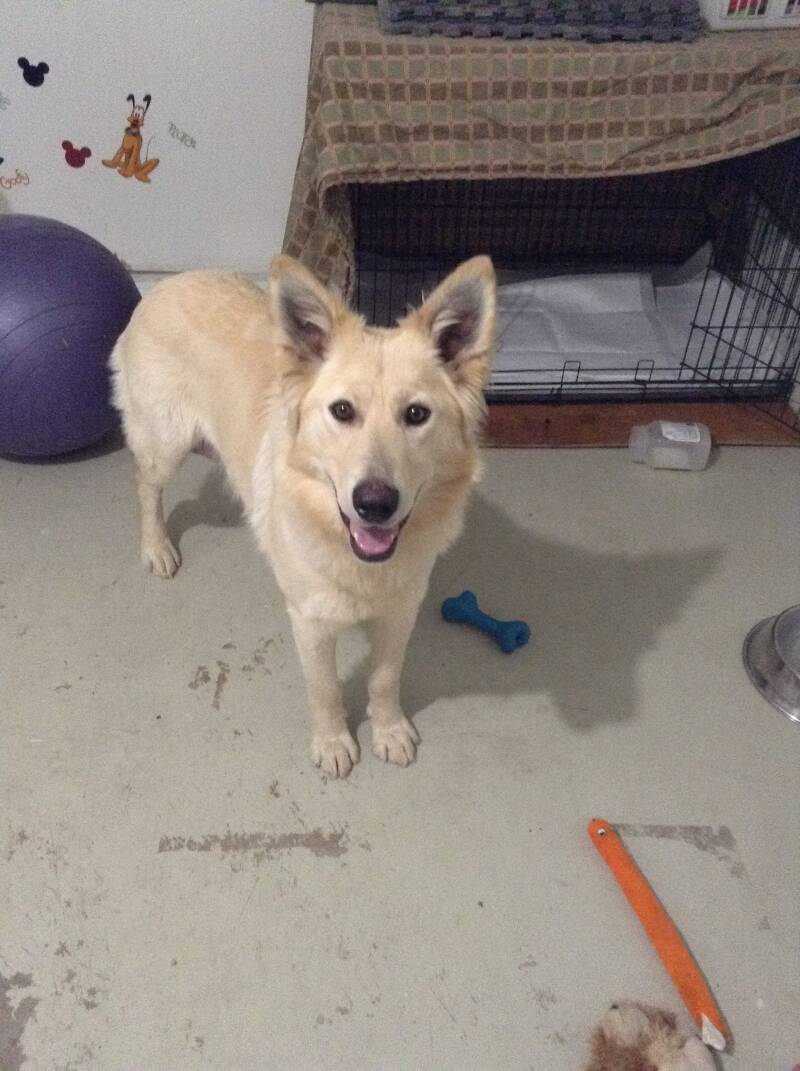
The little blond shepherdy looking girl was the last. I had kept her for a while after I took her puppies back to the shelter, and taking her back was the final straw. I cried for days after I dropped her off.
That's when I vowed to find a way to help animals, and "rescue" isn't the answer.
REAL HELP needs to be PROACTIVE.