

Breeding
The subject of breeding animals is dispiriting.
Depending on who you're talking to, the subject discussion can be anywhere from mild and informative to extreme and volatile.
I was born in 1955 and as a younger person (+/- 12 years old) my mom was breeding Siamese cats. She recieved a male and female cat from a relative and, basically, just let them reproduce. That was about her level of experience and knowledge, and she did it specifically to raise a bit of extra money for her family of five girls. That would have been in the mid to late 1960's and it really wasn't a big deal back then.
Now, if you were to do/say something like that, you'd be strung from the rafters!
There is absolutely no doubt that there is an overpopulation of cats in the world. That is, an over population of unowned cats. (I believe that's the latest and most correct term used nowadays.)
"Breeders" are blamed. But there is more to it than simply just blaming "breeders".
Let's make it clear, anyone who allows their animal(s) to reproduce is a "breeder".
But the reality of the overpopulation of cats (and dogs) is largely due to:
1. IRRESPONSIBLE PEOPLE - Kittens and puppies are cute and cuddly little things that people instantly fall in love with. Who can resist those adorable little faces!!! Many people look at those little faces and get a kitten or puppy - on a whim. They have no idea what taking on that tiny, adorable little bundle of joy entails.
Kittens and puppies grow into adults, and adult cats and dogs - need care. They need to be fed, cleaned up after, and fed. But most of all, they need to be spayed or neutered at an appropriate age - BEFORE they start making a whole lot more adorable babies. And, especially nowadays, that costs MONEY. A spay can cost +/- $500, and a neuter can cost +/- $300. Prices can vary depending on the vet clinic.
Irresponsible people may not be aware of this, but more so, they don't care. Once the initial fun is over, the cat or dog is left to come and go as it pleases. Some stay home, but most wander off to find new and exciting things to do with their lives. Then people say, "Oops, their cat or dog got 'lost".
And so begins the tragedy of 'lost' cats and dogs.
The REALITY is that cats are only one step up from rabbits in terms of reproductive ability.
A I Intel
A single, intact female cat can produce hundreds of thousands of kittens in just a few years, as she can have two to three litters per year with an average of four to six kittens per litter. Her offspring, if also unspayed, can begin reproducing as early as four to five months old, leading to a rapid population explosion.
One unspayed female cat and her offspring can lead to an exponential increase. For example, one estimate suggests over 420,000 kittens in seven years, while another suggests over two million in eight years.
Reproductive rates:
* A female cat can become pregnant as early as four to five months old.
* She can have two to three litters per year.
* Each litter averages four to six kittens.
Impact:
* This rapid multiplication is the reason for large feral cat populations.
* Many of these cats struggle to survive on the streets, facing illness, starvation, or other dangers.
* Spaying and neutering are the most effective ways to prevent this overpopulation and its associated suffering.
This rapid and unmitigated reproduction is a FACT. Yet, who does anything about it?
Sure, there are 'rescues', but, especially post-COVID times, they are full to the brim, overflowing!
When the shutdown began, everyone wanted a pet to keep them company while they were confined to their homes. "Breeders" made a small fortune, and "rescues" were emptied. (Which goes to show that it can be done, if the human race has the desire.)
Then the day came when the world opened up again.
The majority of people who got a pet during the lockdown later decided they didn't want it once the world reopened.
THOUSANDS AND THOUSANDS OF ANIMALS BECAME HOMELESS, or "unowned".
So, is that situation of overpopulation and unwanted animals the "breeders'" fault?
In some cases - YES, sort of.
This takes us to our next bullet point in the reasons for the overpopulation of unowned animals.
2. SELFISH AND SELF-SERVING PEOPLE - Enter the "Back-Yard Breeder" and Kitty/Puppy Mills.
The Back-Yard Breeder gets their hand on a pair of animals. They initiate a breeding 'program' to make some easy money.
When I was first starting our breeding program, the Maine Coon was in vogue. At the time, looking at buy/sell venues, everything that was fuzzy and grey was offered for sale as a Maine Coon, a Norwegian Forest Cat, or a Forest Cat. And - it was working! These people were asking outrageous sums for any kitten they thought they could pass off as a "purebred", and the "non-refundable deposit" was a thing. I believe the non-refundable deposit is a business in itself nowadays, so be very wary when a kitten/puppy is advertised with one attached.
People bought it. It was the expected way of doing business if you wanted a new pet. People sent hundreds to thousands of dollars to someone they’d never met, for an animal - sight unseen!
When I started looking for a new pet in 2016/17/18 the scam was running full-fledged.
I didn't have a clue!
The last time I bought a pet was in the early 1970s. I looked in the classified ads of a physical newspaper. I found an ad that interested me, a Burmese X Siamese kitten. I called them up, and off we went to meet the family and the cat/kittens. I paid a whopping $20.00 for our new kitten, something my Manitoba farm boy husband at the time was not too happy about. "Pay MONEY for a CAT - unheard of!!! But that was how it was done, and that kitten lived with me for twenty-one years - through thick and thin, a divorce, a couple of moves, even a couple of different provinces, a new man, home, and lifestyle. He was my boy, and the thought of dumping him because my personal circumstances changed - never, ever, even so much as crossed my mind!
So, over forty years later, I found an ad on Kijiji advertising a Maine Coon kitten for $350.00. I drove to Leduc (from Calgary) and met a woman in the parking lot of a large shopping mall. I handed her my $350.00 cash, and she gave me a scrawny little kitten - full of ear mites!
Please meet our #1 "Maine Coon", PEPPER

A I Intel
Is breeding animals discouraged by breed clubs, and if so, why?
No, breeding animals is generally not discouraged by official breed clubs; rather, these clubs promote and regulate responsible breeding practices to preserve and improve the health, temperament, and standard of specific purebred animals. They aim to differentiate themselves from "backyard breeders" and puppy mills, which prioritize profit over animal welfare and often contribute to health problems and overpopulation.
Why Breed Clubs Promote Responsible Breeding
The primary reasons breed clubs encourage a specific type of breeding among their members include:
-
- Preservation and Improvement of the Breed: Reputable breeders within these clubs aim to maintain the specific traits, working abilities, and overall quality of a breed. They adhere to detailed breed standards that outline ideal physical and temperamental characteristics.
- Genetic Health Screening: Ethical breeders are required to perform genetic testing and health clearances (e.g., for hip dysplasia, eye conditions, heart defects) to minimize the incidence of inheritable disorders that can plague certain breeds. They use health data to make informed decisions about which animals to breed, with the goal of producing healthier offspring.
- Ensuring Temperament and Socialization: Good breeders prioritize the socialization of puppies and select breeding stock with sound temperaments to ensure the animals are well-adjusted and suitable as working animals or companion pets.
- Providing Support and Education: Breed clubs educate their members and potential buyers on responsible care, training, and the specific needs of the breed. They often require contracts and offer lifetime support for the animals they produce.
- Rescue Efforts: Many breed clubs also operate or support breed-specific rescue organizations, demonstrating their commitment to the welfare of their breed beyond just breeding new litters.
Ethical Controversies and Criticisms
While breed clubs argue for the necessity of responsible purebred breeding, the practice faces criticism from animal welfare organizations like PETA and the Humane Society, as well as some veterinarians:
- Animal Overpopulation: Critics point out that breeding any animals contributes to the significant overpopulation crisis in shelters and rescues, where thousands of healthy animals are euthanized each year.
- Health Issues from Inbreeding: The emphasis on "pure" bloodlines and rigid breed standards can lead to inbreeding, reduced genetic diversity, and an increased risk of painful or life-threatening genetic disorders.
- Extreme Physical Traits: Some breed standards encourage exaggerated physical features (e.g., flattened faces in pugs and bulldogs, extreme sizes) that cause lifelong suffering and health problems for the animals.
- Profit Motives: Even within the framework of some official clubs, there can be "rogue sellers" who exploit loopholes or prioritize profit over welfare, treating living animals as commodities.
In summary, breed clubs actively encourage breeding, but strictly within a set of responsible and ethical guidelines designed to protect and enhance their specific breeds.
The debate centers on whether the benefits of purebred breeding outweigh the ethical concerns regarding animal welfare and overpopulation.

So, as people seeking change, let's have a look at all of this.
... these clubs promote and regulate responsible breeding practices to preserve and improve the health, temperament, and standard of specific purebred animals.
1. Anyone deciding to breed animals absolutely should be undertaking responsible breeding practices. Responsible means not only being accountable for the animals they breed, but also being socially responsible.
Google offers some definitions:
- having an obligation to do something, or having control over or care for someone, as part of one's job or role.
"the department responsible for education"
A breeder has control over the animals they own as a part of the JOB of a breeder. They are responsible for their health.
"The gene was responsible for a rare type of eye cancer."
A breeder is primarily responsible for the health and welfare of the animals they choose to bring into the world. If health isn't a high priority, they can be held accountable for poor health and consequent suffering.
- (of a job or position) involving important duties, independent decision-making, or control over others.
having to report to (a superior or someone in authority) and be answerable to them for one's actions." The team manager is responsible to the league president."
Without a breed club to report to, a breeder still has the responsibility to report to society in general and to their own heart and soul.
- capable of being trusted.
"a responsible adult"
Here's a BIG ONE. Are you a responsible person capable of being trusted? Don't we have enough scammers in our society already???
-
morally accountable for one's behaviour."the progressive emergence of the child as a responsible being"Another BIG ONE! Being morally responsible and accountable!!!
They ALL talk about "purebred"
In dogs, specific breeds started hundreds of years ago. Good hunting dogs were bred to other good hunting dogs. Good guarding dogs were bred to other good guarding dogs.
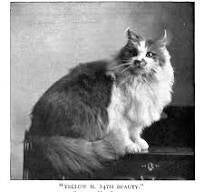
Cats, however, only became "breeds" about one hundred and fifty years ago.
A I Intel
Cats became specific breeds in the mid-19th century, when intentional selective breeding for certain traits began, leading to the first modern cat shows. While some "natural" breeds developed regionally over centuries, the development of new, pedigreed breeds was largely a Western phenomenon that took off in the last 150 years.
- The beginning of "fancy" breeding: The first cat show that displayed breeds created by humans for specific looks occurred in London in 1871. This marked the start of people deliberately breeding cats for aesthetic traits.
- Artificial selection: Unlike dogs, which were bred for tasks, most modern cat breeds were developed by selective breeding for appearance, leading to fewer functional differences compared to their wild ancestors.
- Modern breed development: The majority of modern breeds have been developed within the last 150 years, with governing bodies like the Cat Fanciers Association (CFA) recognizing many breeds today.
- "Natural" breeds: Some breeds, like the Siamese and Korat, are considered "natural breeds" and developed regionally over a longer period before modern selective breeding began.
Preservation breeders???
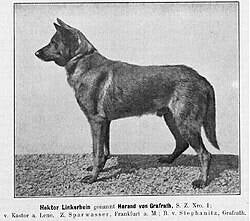
I, personally, do not know of any 'breed' of animal that looks and behaves the same as the animal did at the beginning of their transformation into a "breed"
Admittedly, I have a chip on my shoulder because my passion has been the German Shepherd Dog, and what these "breeders" have done to that animal over the years is disgraceful!
What do you want to do with the animals you breed?
Some try to keep them as close to the originals as possible.
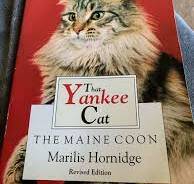
For example, there is a Facebook group called True Type Maine Coons. While some of the cats listed in that group resemble the original Maine Coon cats, many are sliding down the slippery slope toward "unique". Unique is a selling feature. People want a unique cat, and that's where the troubles start.
Health testing
Every cat intended to be used in a breeding program should be health tested - to the nines.
The first step should be a general exam by a veterinarian, and that exam should include a basic blood panel...
- Blood Chemistry Test: A general term.
- Basic Metabolic Panel (BMP): Usually checks 8 key substances like glucose, calcium, electrolytes (sodium, potassium, chloride, bicarbonate), BUN, and creatinine.
- Comprehensive Metabolic Panel (CMP): Adds liver function tests (like ALT, AST), albumin, and total protein to the BMP.
- Chem-7: An older, informal name for the basic set of 7 chemistry tests (BUN, glucose, creatinine, CO2, sodium, potassium, chloride).
... along with a viral screen blood test for FIV and FeLV
AI Overview
- Viral Screening:
- Feline Leukemia Virus (FeLV) & Feline Immunodeficiency Virus (FIV).
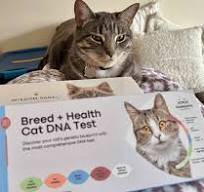
Once you know the cat is in good general health, then a genetic health screening test should be done.
Ethical breeders are required to perform genetic testing and health clearances (e.g., for eye conditions and heart defects) to minimize the incidence of inheritable disorders that can plague certain breeds. They utilize health data to make informed decisions about which animals to breed, aiming to produce healthier offspring.
You know, you'd think that after one hundred and fifty years of intended and targeted breeding of specific traits, all this health thing should be taken care of.
If every breeder over the years did all the proper health testing, why are there still so many issues in today's purebred animals? And why do we still have to do all this testing? You'd think after a hundred years of "responsible breeding", all those little quirks like heart disease and hip dysplasia would be taken care of.
But no one questions this.
It is supposed to be standard practice, and one I agree with 100%, to have every animal you intend to use in a breeding program fully health-tested.
When we started breeding our cats, the first thing we did was to take them to the veterinarian for a health exam, blood panels, FIV & FeLV SNAP. In those days, of course, they all were chemically dewormed and shot full of vaccinations as well.
After they were cleared for general health, I asked the vet to do the cheek swabs for the genetic screening. That way, there could be no question about what results came from who. Honestly, when anyone orders a health screening kit, it is left up to them to be honest. But, it is easy to swab a cat who has already had a clear genetic test, and simply use a different name - if that's how far the dishonest breeder wants to go. Considering a "good" breeder can ask up to $5,000.00 for a kitten, a clean genetic result is a must, at least in my opinion. But there are absolutely no guarantees. Not from the original purchase of someone else's line to a breeder developing their own line.



Code of Ethics
Every breed club will have a Code of Ethics.
CFA Breeder Code of Ethics
As a breeder who uses the services of the world’s largest registry of pedigreed cats, I understand I have certain responsibilities to pedigreed cats and to the Cat Fanciers’ Association (CFA).
- I am aware that I am representative of CFA breeders in my community. (The first point is the reputation of the club?)
- I will breed my cats with the intent of improving the breed and to produce healthy, happy kittens. ("Breed" over health first.)
- I will deal honestly with the purchasers of my kittens and cats. CHECK
- To the best of my knowledge and ability I will not, without prior disclosure, sell any kitten/cat that is sick or has been exposed to an infectious disease. CHECK
- I will not sell or place kittens prior to their attaining a proper level of immunity against common infectious diseases. CHECK
- I will place cats directly to the new pet owner or in a manner that will enable contact with the ultimate owner to provide on-going education and advice. CHECK
- I will strive to house my cats in a manner exceeding the CFA Minimum Cattery Standard. (Strive for above minimum???)
- I will ensure my cats are kept in a healthy environment and I will ensure they receive the proper veterinary care as needed. CHECK
- I will maintain appropriate cattery records and will correctly register litters and cats. (Registrations = $ for the club)
- I will work honestly with my fellow breeders and provide timely and correct litter registration information to those who use my cats for breeding. (Work honestly with my fellow breeders?Registrations = $ for the club)
- I will mentor new breeders to ensure they have a solid information foundation. CHECK
The Cat Fanciers’ Association recommends a minimum of 30
cubic feet per cat (CFA 2009).
- A specific dimension set: 5 feet (width) x 3 feet (depth) x 2 feet (height) = 30 cubic feet.
- Another specific dimension set: 4 feet (width) x 2.5 feet (depth) x 3 feet (height) = 30 cubic feet.
MCBFA CODE OF ETHICS
MAINE COON BREEDERS AND FANCIERS ASSOCIATION
(Revised 5/2006)
This Code of Ethics provides guidelines for all Breeder Members and Provisional Breeder Members of the Maine Coon Breeders and Fanciers Association (MCBFA).
- PROTECTION OF THE BREED The continued existence of a healthy breed depends upon Breeders adhering to high ethical considerations. Maine Coons must be bred only to registered Maine Coons. Maine Coons must not be used as an outcross for any other breed.
- AIMS Breeders must emphasize good health and stable temperament, as well as appearance. Consistent with this policy is the obligation to breed discriminately and only with a reasonable certainty of finding satisfactory homes for all kittens. Quality is more important than quantity.
III. RECORDS Breeders must keep accurate records of all pedigrees and matings. These records must be made available, for legitimate reasons, to other breeders. Breeders must register their cats with at least one recognized cat association.
- BREEDING Breeders should plan and implement a breeding program with the preservation and protection of the breed kept foremost in mind. Stud service should be offered only to breeders with an established cattery registered in at least one recognized cat association.
Breeding stock should be free from disease or hereditary deformity and shall exhibit no radical departure from the Maine Coon standard. A Breeder who suspects or incurs a currently known genetic defect in breeding stock or placed kittens shall consult a veterinarian concerning current acceptable tests. MCBFA recommends that all breeding stock be tested for known genetic diseases (such as HCM, SMA, HD, PKD) where testing is available. To the extent feasible, all purchasers of breeding kittens from this breeding stock, and the owner/breeder of the sire and/or dam, should be notified of test results. Informing pet buyers must be evaluated individually based on information given at the time of sale. Breeders should work toward removing from their breeding program cats who test positive, with the goal of breeding cats that test negative for known genetic defects, following the recommendations of geneticists and other experts in the field.
A female should not be bred until she is at least one year old unless she has been in heat twice. A female should not be bred intentionally more than twice in twelve months. If a dam has severe birthing difficulties, she should be spayed after consultation with a veterinarian.
MCBFA strongly recommends that a written agreement should be drawn up concerning shipping and/or boarding charges for a female sent to a male, registration of the litter, payment methods for stud service, and options to cover a female's failure to conceive or her resorption of kittens. A copy of any agreement should be signed by both parties before the date of breeding.
Breeders have an obligation to take precautions against accidental breedings. Kittens of a litter whose sire is unknown or offspring of accidental matings to another breed should be altered and responsibly placed.
Proper facilities and care shall be provided for the safe and healthy delivery of kittens, with the Breeder or other responsible person available to assist the queen if necessary, without interfering with normal parturition. A veterinarian should be consulted at the first sign of life-threatening difficulty.
A kitten born with a deformity that a veterinarian deems incompatible with a healthy or comfortable life should be euthanized. If a genetic defect is suspected, a veterinarian/geneticist should be consulted. Positive results must be reported to purchasers from the same breeding stock.
V HEALTH Breeders should maintain a high standard of health and care, including adequate room for exercise, regular handling and grooming, clean and comfortable quarters, adequate ventilation and natural light, a climate-controlled temperature, a balanced diet and clean water, regular vaccinations according to current veterinary protocol, veterinary consultations for health issues, and love and affection.
VI SALES Sales shall be conducted in a manner designed to promote maintnance of the cat's health and to provide reasonable protection for the buyer.
Breeders should conduct themselves in a professional manner. They should not buy from or sell to or recommend breeders who do not conform to this Code of Ethics. They must not deal with wholesalers or retailers, provide a Maine Coon for raffle purposes, or buy/sell in litter lots.
No kitten shall leave the cattery before it is twelve weeks old, though a sales agreement may be finalized prior to that date, and no kitten shall be shipped before it is twelve weeks old (domestic) or sixteen weeks old (overseas).
Before selling any kitten, Breeders must honestly evaluate the quality and potential of the kitten and inform the buyer of the differences between pet, breeder, and show quality.
Breeders shall encourage buyers to join MCBFA and must be available to buyers for advice on the proper care of the kitten or cat.
MCBFA strongly recommends that all sales transactions be in writing, with buyer and seller each retaining a signed copy of the agreement. A written sales contract should contain:
- a) complete description of the kitten/cat sold, including color, quality, sex;
- b) complete Health Record Sheet including all immunizations received as well as methods used for control of internal and external parasites;
- c) written instructions for the care, feeding, and accommodations of the kitten/cat;
- d) clear and specific enumeration of the buyer's responsibility to the Breeder, including the procedure and time period for notification concerning defects and other limitations of guarantee;
- e) specific timing for provision of registration papers and pedigree: at time of sale (show and breeder quality), or within thirty days after receipt of proof of alteration (pet quality);
- f) for breeder and show quality kittens, a five-generation pedigree complete with registration numbers and colors;
- g) the course of action to be taken should the kitten/cat prove to be sterile (breeder and show quality), in poor health or suspected of a genetic defect, or incompatible with the buyer's family.
VII ADVERTISING Advertising, written or oral, shall be factual and not misleading, and shall be in conformity with federal, state, or local consumer protection laws.
VIII. SPONSORSHIP Breeder Members must maintain close contact with any Provisional Breeder Members they are sponsoring. Sponsors must provide guidance during the probationary period.
IX SPORTSMANSHIP Members of the Breeder Division are expected to behave in a manner that reflects credit upon themselves, the Maine Coon, and MCBFA. Whether as exhibitors or spectators, they shall agree to abide by the rules that govern each show. Success in the show hall is secondary to the health and well being of the cat and to cordial relationships with others among the cat fancy and MCBFA.
- AGREEMENTS MCBFA strongly recommends that receipts be issued for all financial transactions, whether by check, cash, or credit card, or any combination thereof. MCBFA strongly recommends written documentation of all agreements and contracts (stud service, sales of kittens/cats, agency agreements, leasing arrangements, and the like).
XI ENFORCEMENT Upon sufficient proof of violation of the spirit or the letter of this Code of Ethics, disciplinary action shall proceed (against a breeder division member), according to Article 7 of the MCBFA By-Laws.
XII. AMENDMENTS The MCBFA Code of Ethics may be amended by a majority vote of the Executive Council upon recommendations from the Ethics Committee or from a Committee appointed for that purpose.
I AGREE TO THE TERMS AND CONDITIONS CONTAINED IN THIS CODE OF ETHICS. I UNDERSTAND THAT I AM SUBJECT TO DISCIPLINARY ACTION, SUSPENSION, OR EXPULSION FROM THE ASSOCIATION FOR FAILURE TO COMPLY WITH THE STANDARDS CONTAINED HEREIN, AS DETERMINED BY THE ETHICS COMMITTEE AND THE EXECUTIVE COUNCIL.
Signature(s) ________________________________________________________________________
Cattery Name ___________________________________ Date: ____________________________
SUMMARY
Breed clubs protect their own breeds.
Unfortunately, with the advent of specific breeds, the value of an ordinary cat has declined.
I believe this directly results in the disrespect and, consequently, overpopulation of unowned cats.
- Unowned cats = feral colonies and problems, overpopulation in 'Rescue' and Humane Societies.
- General mistreatment of ordinary cats.
Remember, an ordinary cat is a CAT. They are not mixed-breed animals like dogs are referred to.
The "purebred" cats are the "mixed-breed" cats.
EVERY PUREBRED CAT STARTED WITH A PAIR OF ORDINARY CATS.