

Health and Wellness
For Health and Wellness - Appropriate Nutrition is the Foundation
Over the years, we have been led to trust our major food producers, and they have certainly, and very successfully, led us to believe that the processed food items they produce offer just as much health value as anything 'natural' we put on our plates.
In fact, they have successfully convinced the mainstream population and allopathic medical carers that feeding natural foods is not only unhealthy, but it is downright dangerous! Especially RAW food!
How on earth did we survive before BIG FOOD, an industry worth +/- TEN TRILLION DOLLARS, came to our rescue?
At OUR PET PROJECT, we believe in real and natural food, not only for ourselves, but also for the four-legged members of our family.
We work hard to provide everyone in our home, including our canine and feline companions, with the best nutrition possible, and that nutrition comes from natural, minimally processed, and species-appropriate food.
Our cats are obligate carnivores, and our dogs are facultative carnivores.
While dogs can survive on a diet with some plant-based material, cats survive best on a diet of mostly meat, bone, and organs. They do not have a biological requirement for carbohydrates.
An obligate carnivore is an animal that must eat meat to survive because it requires certain nutrients, like specific fatty and amino acids, that are found only in animal flesh. They lack the physiology to digest plant matter efficiently. They cannot convert plant-based precursors into necessary vitamins like vitamin A. Cats, lions, tigers, dolphins, and eagles are examples of obligate carnivores.
Nutritional needs: They must consume animal products to obtain essential nutrients such as arachidonic acid, vitamin A (which they cannot convert from beta-carotene found in plants), taurine, and certain long-chain fatty acids.
Metabolism: Their metabolism is adapted to process fat and protein for energy rather than carbohydrates.
Digestive system: Their digestive tract is typically short and designed for quickly processing meat. Most carnivores cannot properly digest and extract nutrients from vegetation.
Behaviour: While they may occasionally ingest plant matter for reasons like aiding digestion, it is not a viable source of nutrition for them. A diet lacking meat, bone, and organs can lead to serious health problems and even death.
Dogs are considered facultative carnivores, which means they are primarily meat-eaters but can survive on a diet that includes some plant-based foods. They do not have the same dietary needs as an obligate carnivore like a cat, and while they can survive on a non-meat diet, they will not thrive on one.
What this means for a dog's diet
Primary diet: A dog's ancestral diet is about 85-90% meat, and they still thrive best on a diet rich in animal protein.
Nutritional needs: Dogs have higher protein requirements and require specific nutrients such as taurine and arachidonic acid, which are readily available in animal protein and fat sources.
Survival vs. thriving: Dogs can survive on a meatless diet, but it's not ideal and won't allow them to "thrive" or be as healthy as they could be.
Plant matter: While they can get some nutrients from plant matter, they have a less efficient digestive system for processing high amounts of carbohydrates compared to true omnivores.
Genetics: Studies show that while domesticated dogs have more copies of the amylase gene than wild wolves, allowing them to benefit from a small amount of plant matter, it's not enough to digest a high-carbohydrate diet efficiently.
Notation: If you believe that dogs are omnivores, and many do, we are not a good match.
We will both be better off if you find another supplier with beliefs more in line with your own.
The Synergy of Whole Food
Nutritional synergy in whole foods refers to the concept that the combined effect of nutrients and other components in whole foods is greater than the sum of it's parts.
Whole foods provide a natural 'matrix' where nutrients work together to improve absorption, enhance health benefits, and promote overall well-being, which is often more effective than what can be achieved with isolated nutrients from suppliments.
BIG FOOD wants us to believe that processing items that could be conscrewed as 'food', and destroying most of its natural nutrition by grinding, mushing, and high heat, is ok. They tell us that a protein from corn, wheat, or soy is the equivalent to a protein from animal flesh, bone, or organs.
Years ago the Skept Vet wrote that it was ok to destroy natural nutrients by processing food - all you had to do was add them back at the end of the cycle. The 'natural nutrition thing' was all nonsense!
Except, man/lab made vitamins and minerals are NOT the same as vitamins and minerals provided through natural and whole food.
As an individual chemical structure, yes they may be very similar, but - it is the symbiosis of all the bits and pieces that provide the true nutritional value.
Examples include vitamin C aiding iron absorption in plants or vitamin D with healthy fats for transport.
How Nutritional Synergy Works
Enhanced absorption: Certain combinations improve the body's ability to absorb nutrients. For instance, vitamin C helps your body absorb non-heme iron from plant based foods.
Increased bioavailability: The entire food matrix, which includes vitamins, minerals, fiber, proteins, fats, carbohydrates, and bioactive compounds, works together enhancing the bioavailability of nutrients - the amount that the body can actually absorb and use.
Complementary effects: Different components of a whole food can work together to produce greater benefits than a single isolated nutrient. For example, vitamins A, D, and K all require dietary fat to be transported effectively.
Synergistic compounds: Whole foods contain numerous compounds like phytochemicals and antioxidants that interact to create beneficial health effects, such as improving gut health or fighting disease.
Why Whole Foods Are Key
Replicating nature: Whole foods are a complete package, and their complex structure is difficult to replicate with supplements alone. The synergistic effect is a key reason to prioritize a diet rich in whole foods.
Beyond the numbers: The "numbers" on a nutrition label don't always tell the whole story because they don't account for the complex interactions happening within the food itself, and in the body.
A natural approach: Focusing on whole foods in their natural form is a simple way to harness food synergy and support overall health rather than relying on individual supplements alone.
The Power of Synergy and Bioavailability in the Whole Food Matrix, WholisticMatters.com
The Basics of Feeding Raw Food
At OUR PET PROJECT, we primarily follow what's called the Prey Model Diet.
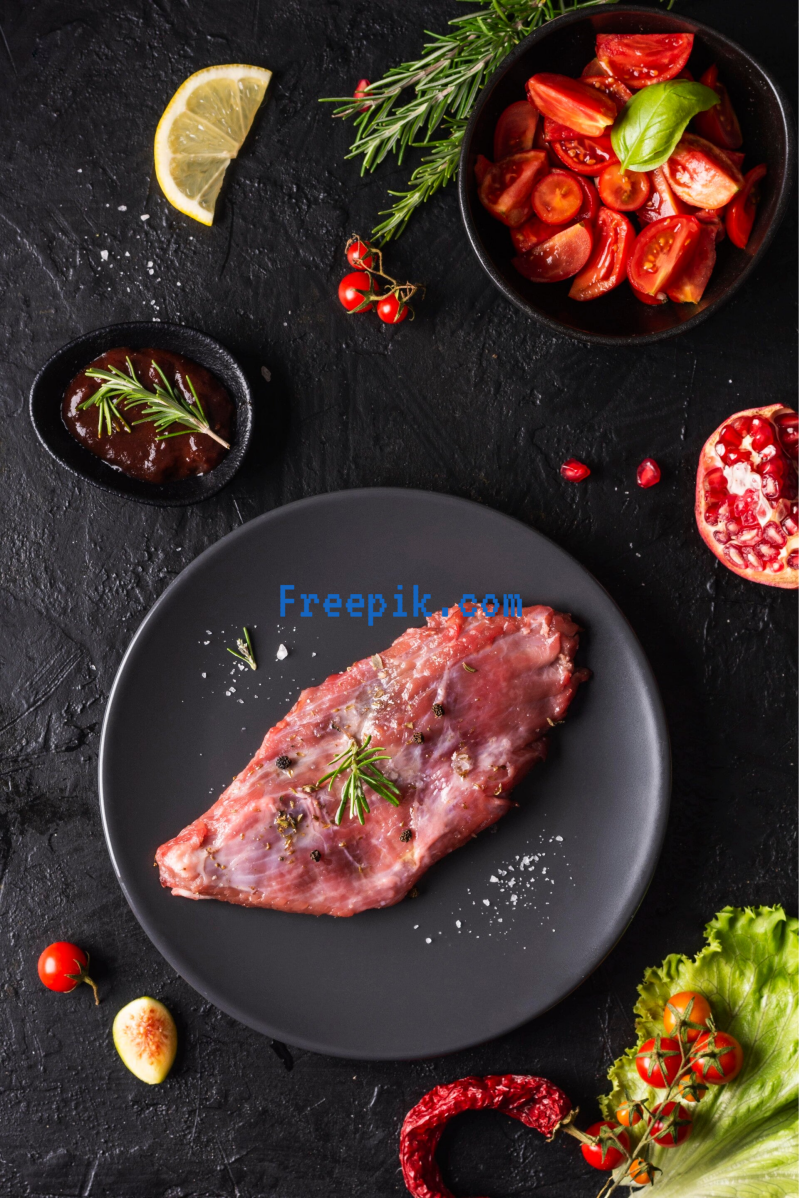
A prey model diet is a raw food diet for pets such as dogs and cats that mimics what their ancestors would have eaten. It includes meat, bone, and organs in specific ratios, often cited as 80% muscle meat, 10% bone, 5% liver, and 5% other organs. This approach eliminates processed ingredients and plant matter such as grains, fruits, and vegetables, as proponents believe a carnivore's nutritional needs are met through the consumption of the whole animal.
Prey model diet components
- 80% muscle meat: The primary component, consisting of muscle meat from a whole prey animal.
- 10% edible bone: Provides calcium and contributes to dental health, though this ratio is higher for kittens/puppies and can be adjusted for adults or seniors.
- 5% liver: An essential organ that supplies vital fat-soluble vitamin A and other nutrients.
- 5% other secreting organs: Includes organs like the spleen, pancreas, or kidneys, which provide a variety of essential vitamins and minerals.
- With cats, I like to top it off with hearts, livers, gizzards and whole mussels a couple of times per week. You can purchase these items frozen at just about any grocery store.
Key considerations
- Nutritional needs: The diet is based on the idea that a carnivore's essential nutrients come from the animal itself, rather than plant matter.
- Eliminating processed foods: A key goal is to avoid processed ingredients found in many commercial pet foods.
- Potential for imbalance: Without careful attention to ratios, the diet can be lacking in certain nutrients and may require adjustments for individual pets.
- Transitioning pets: It is recommended to transition a pet to a new diet slowly.
We firmly believe that variety is the spice of life, and a well-balanced rotation of different proteins and other food items is the key to complete nutrition. We generally 'balance' over a week or two.
We don't eat a 'complete and balanced' meal every time we prepare our food, and neither do any other animals on the face of the earth.
It is a fallacy that a processed food item is 'complete and balanced' as the BIG FOOD companies want us to believe.
The product may contain X, Y, and Z nutrients formulated to sustain life, but the recipe is designed for the survival of animals, not the thriving of animals.
The fact that everyone is a different size, shape, and in a different state of health and vitality at any point in time, nullifies this claim.
I have different nutritional needs on Monday than I do on Thursday. I have different needs if I am tired or feeling poorly than when I've had a great night's sleep and am full of vim and vigour. I have different nutritional needs in the summer than in the winter, or if I spend most of my time indoors or outside, or in the sunshine or under clouds.
AND ... I cannot imagine eating the same thing day in and day out, week in, week out, month after month, year after year! Eating the same composition and texture every day can impact the teeth and physical digestive system, and this alone can become a detriment to overall health.
It's called that crazy old thing - C O M M O N S E N S E !
Recommended For Cats (and our dogs)
We recommend the Custom Blends & Tripe Mixes* and the Meat with Bone and Organs (80/10/10) for animals with more sensitivities.
B.T.O. MIX* - is a blend of beef, beef tripe, and beef organs.
B.P.S. MIX* - beef, chicken, pork, fish, beef tripe, and organs.
D.P.T.O. MIX* (40/40/10/10) - duck, pork, beef tripe, beef or pork organs.
S.B.T.O. MIX* (40/40/10/10) - salmon, beef, beef tripe, beef organs.
***B.T.O., B.P.S., D.P.T.O. & S.B.T.O. are all available to buy in cases of 40 -1 lb chubs, 8 - 5 lb chubs, or 6 - 7.5 lb chubs, or individually if we have them in stock.
H.C.T.O. MIX* (30/30/30/10) - herring, chicken, beef, beef tripe, chicken organs (we send home 1 lb of this mix with your new kitten).
H.C.T.O. is available in packages of 5 -1 lb chubs, with a minimum order of 4 pkgs of 5 (or individually if we have them in stock.
Ask me for a price list.
NOTE: Orders must be placed and paid for two weeks in advance of delivery.
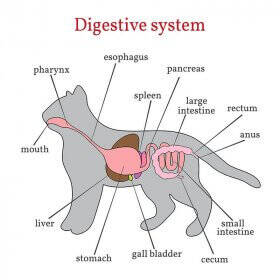
Both cats and dogs have very short digestive systems, and they both have long, sharp canines for cutting and tearing flesh. Their molars are designed for crushing bone.
They are designed to grab, gulp, and run. Food goes in, it's digested, and the undigested stuff is moved out.
Having a full gut is a health hazard, in fact, one of the first bodily processes if in fight or flight mode is to empty the stomach and in severe instances, empty the bowels too.
Have you ever been really, really scared or traumatized? How did your stomach and/or bowels feel?
Green Tripe, Oh My
Green tripe is the unbleached, minimally washed stomach of ruminant animals.
Ruminants (cows, sheep, etc.) are herbivores - they eat plant matter. Herbivores have the digestive enzymes required to properly breakdown copious amounts of plant matter (such as grass and hay), therefore the stomach contents remaining in green tripe will be in a pre-digested form by the time a dog or cat eats it.
A carnivore would not be able to digest large amounts of plant matter if they were to eat it before it has passed through an herbivores gut!
Feeding green tripe (not the same as tripe available in the stores which has been cleaned and sterilized) benefits cats and dogs by improving digestion through probiotics and enzymes, supporting skin and coat health, boosting the immune system, and providing a complete protein source rich in vitamins and minerals.
It can also help stimulate appetite and soothe gastrointestinal issues, and provides a low-allergenic protein option.
Digestive Health
Provides probiotics: Contains high levels of Lactobacillus acidophilus and other beneficial bacteria that support a healthy gut microbiome.
Aids digestion: Rich in digestive enzymes that help your pet break down and absorb nutrients from their food.
Soothes GI Upset: Can help soother gastrointestinal issues and may be beneficial for pets with IBS.
Nutritional Benefits
Complete protein: Green tripe is a great source of complete protein, which is essential for building and repairing tissues.
Rich in vitamins and minerals: Contains essential nutrients like calcium, phosphorus, and B vitamins. It is also a rich source of iron, potassium, maganese, zinc, & selenium.
Balanced fatty acids: Provides a good ratio of Omega-3 and Omega-6 fatty acids for overall health.
Other Benefits
Supports skin and coat: The nutrients in green tripe contribute to healthier skin and a shinier coat.
Boosts immune function: Supports a healthier and stronger immune system, helping to protect against illness.
Low allergenic: Its low allergenic properties make it a good option for pets with food sensitities.
Stimulates appetite: The strong smell can help entice picky eaters.
Supports teeth and bones: The calcium and phosphorus ration is ideal for strong teeth and bones.